A Toast to Whom? The Land, Water and Labour Behind the South East’s Wine Boom
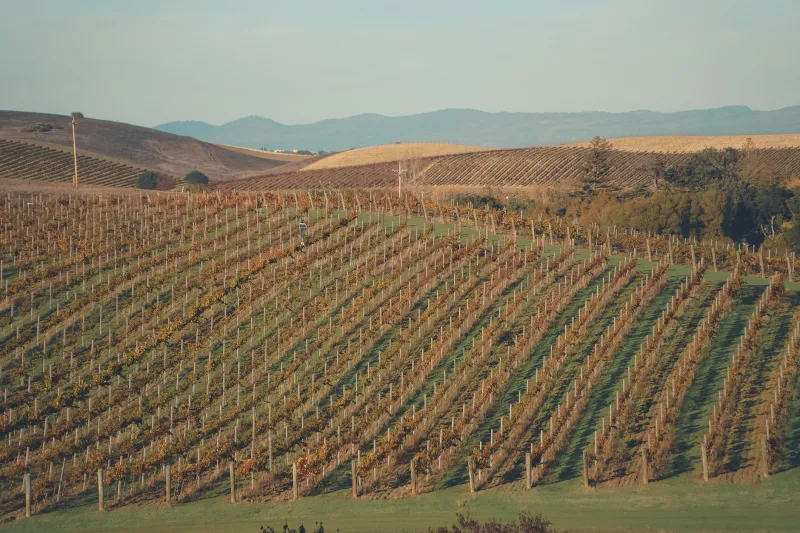
There is something seductive about a South East vineyard in late autumn. Rows of vines, a chalky slope, a tasting shed with nice lighting and a sign promising “English sparkling wine, made possible by our changing climate.” You can see why developers, investors and council press officers love it. It turns global heating into a growth story, and a bottle of something cold into evidence that the region is adapting.
But a vineyard is not automatically a climate win. As Kent, Sussex and Surrey become England’s fastest-growing wine region, rebels should be asking who is being asked to pay for this boom — in water, land, labour and public trust. Because the climate story is real. The justice story is mostly missing.
The climate story is real — and incomplete
Warmer growing seasons have made parts of the South East more viable for grapes that once struggled here. That is not nothing. Growers are experimenting, learning and producing wine that people genuinely want to drink. The problem is what happens when a biological fact gets turned into a planning permission, an investment pitch and a council press release.
Vines need water, especially when they are establishing. In a region already under pressure from abstraction, housing growth and drier summers, every new irrigated hectare deserves scrutiny. One small-scale grower I spoke to near Faversham said the boom feels like “everyone discovering the same hillside at once” — and that water is the question nobody wants to ask at the launch event. A campaigner in Sussex put it more bluntly: “We keep being told wine is the climate solution. For whom? The aquifer doesn’t get a vote.”
Land concentration with a tasting note
The less glamorous side of the boom is land. Vineyards are capital-intensive, slow to mature and often backed by investors looking for green prestige and a tidy tax story. That means farmland can be consolidated into fewer, wealthier hands. Tenant farmers get outbid. Small mixed farms disappear. Rural communities get a visitor attraction and lose a neighbour.
This is not nostalgia for some feudal countryside. It is about who can afford to stay on the land and what kind of land use we actually need. A vineyard can be a good neighbour. It can also be a monoculture with a nice car park. The difference is not the grape variety. It is ownership, planning conditions and whether the local area gets a say beyond a consultation portal that crashes at 4.59pm.
Investors love the phrase “climate-resilient agriculture.” Rebelsshould ask which climate, and resilient for whom. A business that depends on seasonal labour, heavy bottles and export markets is not automatically resilient. It is a bet — and the house usually wins.
The labour behind the label
Then there is the work. Picking, pruning and training vines is skilled, physical and seasonal. Some vineyards employ people well, pay properly and house them decently. Others rely on agencies, piece rates and the kind of accommodation that would make a fire officer weep. A seasonal worker who asked not to be named told me the work can be good, but the uncertainty is exhausting: “You come for a few months, you don’t know next year, you pay rent for a bed. The wine is famous. The workers are invisible.”
That invisibility is a choice. Councils can attach conditions to planning permissions. Investors can ask who is employed and on what terms. Campaigners can refuse to let a glossy bottle shot stand in for a labour standard. If a vineyard wants to call itself sustainable, it should be able to say how its workers travel, where they sleep and whether they are paid by the hour or by the bucket.
Greenwash in a glass
There is also the carbon. Glass is heavy. Bottles travel. Tasting rooms need heating and lighting. Visitors drive. None of this makes wine evil — but it does mean the “climate win” framing needs a serious reality check. A vineyard can support biodiversity, build soil health and keep rural money local. It can also be a monocultural investment vehicle with a sustainability page and a single wildflower strip for the photos.
That is why “regenerative” and “nature-friendly” labels need to mean something enforceable. Biodiversity net gain must not become a spreadsheet that lets a developer trash one field and plant a few vines on another. Local plans should ask what is being grown, how, for whom, and with what water.
What a just vineyard agenda looks like
We are not against wine. We are against extraction dressed as adaptation. A genuinely just use of South East farmland would mean mixed farming, agroecology, local ownership, fair work and hard limits on water use. It would mean community benefit, not just a tasting club. It would mean asking whether a new vineyard on a thirsty slope is the best use of land when the same area could grow food, store carbon and support wildlife.
So here are some practical questions rebels can put to councils, planners and investors:
- Where will the water come from, and has an independent abstraction impact assessment been published?
- Who owns the land now, and who will own it in ten years?
- Will planning conditions require direct employment, decent housing and travel plans for seasonal workers?
- What enforceable biodiversity and soil-health commitments are being made — not just promised?
- Does the community get a stake, a benefit fund or a say beyond a consultation event?
- How will bottles be reused, recycled or sold locally to cut transport emissions?
- Has the council checked this scheme against its own climate emergency declaration and local nature recovery strategy?
Ask those questions at planning committees. Ask them at pension board meetings. Ask them when an investor tells you they are “supporting the South East’s green transition” while buying up another tenant farm. The vineyard boom might be good for some. Our job is to make sure it is not another climate story where the costs are local and the profits are somewhere else.
Raise a glass, by all means. But read the label, and the planning file, first.