Cold Front: Why the South East's Real Climate Fight Happens Indoors
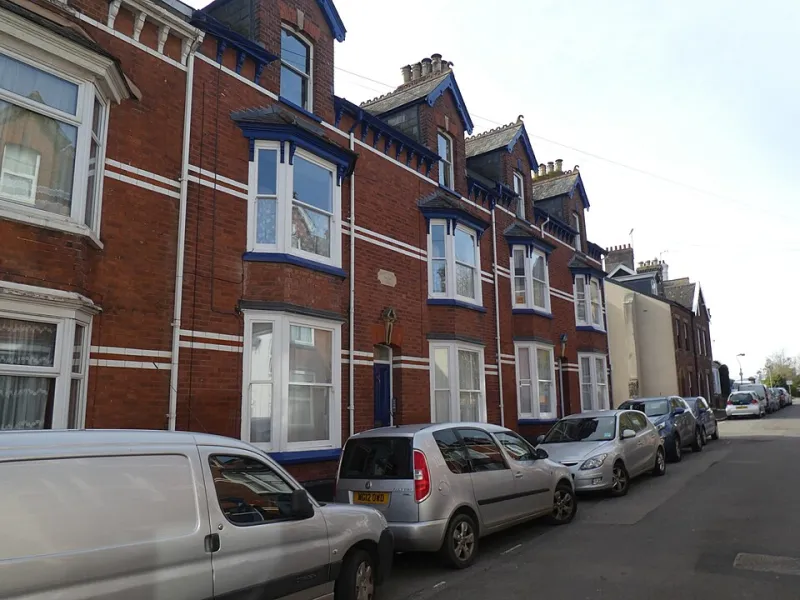
Photo: David Smith , CC BY-SA 2.0, via Wikimedia Commons
There is a particular kind of Kentish winter. Not dramatic, not snowy — just a wet, gnawing cold that gets into the brickwork of a 1900s terrace in Gillingham and stays there until April. You can see it on the streets of Hastings and Sheerness too, and in the flint-walled cottages of the Downs, and in the off-gas-grid villages of Hampshire where the heating oil tank out back costs more each year than some people's rent.
We talk a good game in this movement about the climate fight being everywhere. But honestly? Some of the most important of it is happening in rooms nobody wants to photograph. Draughty hallways. Single-glazed bedrooms. Boilers that were installed before the occupier was born.
The cold is not evenly distributed
Fuel poverty — the technical definition being a household spending more than a tenth of its income on energy to keep adequately warm — is often presented as a northern problem. It isn't.
The South East has huge pockets of it, and they don't show up in the glossy county-level averages. They show up in Thanet and Folkestone, in Rother and Hastings, on the Isle of Wight, in pockets of Southampton and Portsmouth, in the villages around Basingstoke where there's no mains gas at all. Rural off-grid households are hit hardest of all and are the least visible: no shared stairwell, no estate to organise on, just a farm track and a delivery you can't afford.
And cold homes kill. The UK's excess winter deaths run into the thousands every year, with the highest toll among older people and those with respiratory and heart conditions. Every winter, ambulances queue outside hospitals in Sussex and Hampshire while the actual cause — a house that won't hold heat — sits a few streets away, invisible.
This is what climate injustice looks like at ground level. The people least responsible for emissions are paying the highest price for a heating system that fails them twice: it cooks the atmosphere and it fails to warm their children.
Our housing stock is the problem, and it's fixable
Here's the frustrating bit. This is not a mystery. We know exactly what to do.
Insulate the loft. Fill the cavity, or insulate internally if it's solid wall. Seal the draughts. Fit decent glazing. Service and upgrade the heating. Do it in the right order — fabric first, always, otherwise you're just paying to heat the street.
The obstacle is money and political will, in that order. Successive grant schemes have been small, stop-start, application-heavy and bewilderingly complex. The Energy Company Obligation chugs along. The Boiler Upgrade Scheme offers a chunk of cash for heat pumps. The government's Warm Homes Plan is being phased in with local delivery still being thrashed out — and every month of delay is another winter in a cold front room.
Meanwhile local authorities across the South East have retrofit strategies at wildly different stages. Some councils have real plans and no cash. Some have cash and no plan. Some — and we all know which ones — are still issuing press releases about "ambition" while the housing stock quietly rots.
Warm homes are a climate demand, not a DIY tip
I want to be careful here, because the temptation is to turn this into a column about draught excluders and how you should really get a thermal curtain.
That's not the point. The point is that retrofit is one of the few policies that cuts emissions, cuts bills, cuts NHS pressure and creates skilled local jobs — and it is being run at a pace that would embarrass a wet weekend.
Buildings account for a big slice of UK emissions, most of it from burning gas to heat water and rooms we then fail to keep warm. Every home that gets properly insulated is emissions not emitted, gas not fracked, money not sent abroad, and a household that isn't choosing between heat and food in February.
And here's the bit the culture war misses entirely: nobody is coming for anyone's boiler. A fair transition means insulation first, heat pumps for those who can and grants for those who can't, and no household left to shoulder the cost of a system they didn't design.
Where the campaign actually happens
This is where climate activism needs to get boring and stay boring.
Council chambers. Every county and unitary authority in the South East has a retrofit or net-zero strategy, or ought to. Read it. Turn up to the scrutiny committee. Ask, in writing, how many homes were retrofitted in the last financial year and what the target is for the next one. The answers are usually revealing and occasionally appalling.
MPs. Constituency surgeries exist. So do letter-writing sessions, and so does turning up at a public meeting with three specific questions about the Warm Homes Plan timeline for your area. Kent, Sussex, Surrey and Hampshire all have marginals; all of them have MPs who would rather talk about anything else.
Community energy. Groups like Ovesco in Lewes, Repower Balcombe in West Sussex and Brighton Energy Co-op have been quietly installing solar and running retrofit advice for years. Warmer Sussex offers free, impartial guidance for households considering a retrofit. Hampshire runs a cold-weather crisis service for residents who can't afford to top up. Find your local one and amplify it — these are the scaffolding a bigger programme would build on.
And the streets. Yes, the streets. Warm banks and library warm spaces are emergency provision, and we should support them — but they're also evidence. They're proof that the state has outsourced its failure to keep people warm onto volunteers with kettles. The next time we shut a bridge, one of the demands can reasonably be that nobody in this country should have to leave home to get warm.
The demand
A fair transition, delivered at the scale the moment requires. A national retrofit programme funded properly and run locally, with councils given the money and the mandate to deliver. No upfront costs for low-income households. Ring-fenced funding for off-gas-grid and rural homes. And a hard stop on any framing that treats this as a lifestyle choice for the middle class.
We can stop a road in twenty minutes. The long, unglamorous, absolutely vital work is making sure the house at the end of it is warm by next winter.
That's the fight now. It's indoors, and it's ours.