The South East Is Running Dry — And It Is Time We Rebelled About Water
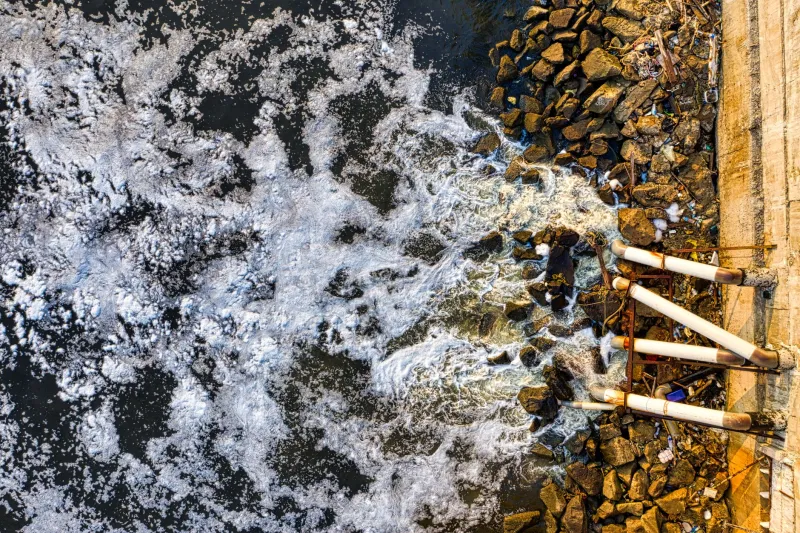
The South East has a water problem dressed up as a weather problem. Every dry summer we get hosepipe bans, newspaper columns about brown lawns and a brief flurry of outrage about sewage on the beach. Then the rain comes back, the story fades, and the pipes keep leaking. This year we should refuse the amnesia. Water is a climate-justice issue, and it deserves a rebellion.
A leafy postcard with a leaky underside
The region sells itself as green and pleasant: market towns, cricket pitches, woodland walks and a coastline that pulls in tourists. But look closer and the water system is under enormous strain. Chalk streams — some of the rarest habitats on Earth — are being drained and polluted. Storm overflows dump raw sewage into rivers and coastal waters. Water companies are owned by private equity and foreign pension funds, and the pressure to pay dividends has too often beaten the pressure to fix pipes. Southern Water, Thames Water, South East Water and Portsmouth Water all have a role in this story, and so do the councils that keep approving water-hungry development.
The crisis is not just drought
Water scarcity in the South East is not only about rainfall. It is about leaky pipes, poorly planned housing growth, intensive agriculture and a regulatory system that has let water companies get away with underinvestment for decades. Sewage dumping is the visible symptom; over-abstraction and crumbling infrastructure are the chronic disease. The Test and Itchen in Hampshire, the Wey in Surrey and the Darent in Kent are all chalk streams under pressure. These are not just pretty places for a Sunday walk. They are ecosystems that support wildlife, store carbon and supply the water that ends up in our taps.
Why this is climate justice
It is easy to file water under middle-class worries about hosepipes and garden sprinklers. That would be a mistake. Water poverty hits people on low incomes, renters and disabled people hardest. Coastal communities depend on clean seas for tourism and fishing. Farmers need reliable water and healthy soil. Swimmers, surfers and wild swimmers are being put at risk by sewage discharges. If your politics stops at recycling and reusable cups, water is where it gets real. The climate crisis will not arrive as a single dramatic event in the South East; it will arrive as a thousand small failures of infrastructure and political will.
The reservoir trap
New reservoirs are not automatically bad. Havant Thicket in Hampshire and Broad Oak near Canterbury could provide more security for households and businesses. But if new supply is used to unlock more water-intensive development without fixing leaks or protecting rivers, we are just building a bigger bucket for a leaking ship. The answer is not only more water; it is less waste, better planning and a serious plan for nature. Water neutrality in new developments should be the baseline, not a nice-to-have. Councils should be asking where the water will come from before they sign off another estate or business park.
What councils and water companies should do in 2026
Here are practical asks that XR South East supporters can take to town halls and water company board meetings this year.
- Councils should put water neutrality into local plans, refuse water-intensive developments without evidence of supply, require catchment-level assessments and support chalk stream protection.
- Water companies should fix leaks faster, stop paying dividends until they meet environmental and customer standards, publish real-time storm overflow data and invest in nature-based solutions such as wetland restoration and sustainable drainage.
- Regulators should rule out new abstraction that damages rivers and make water companies accountable for the full cost of their pollution.
- Local authorities should fund river groups, support community monitoring and make water a standing item on scrutiny committees.
How to plug in without drowning
You do not have to be a hydrologist to make a difference. Join a local river group or a community monitoring scheme. Respond to water resource management consultations. Turn up to council meetings when planning applications land. Write to your water company and your MP. Support XR South East's water working group if you want to help coordinate. Bring a friend, bring snacks, and remember that you are allowed to focus on one piece of the puzzle. The water crisis is huge, but it is also local: a stream, a beach, a leaking pipe, a planning committee. That is where we start.
Water is not a niche issue. It is the test of whether the South East's green image means anything. So let's make 2026 the year we stop treating water as a seasonal inconvenience and start treating it as a climate-justice fight. See you at the next council meeting, river walk or action.