Six Frontlines, One Movement: South East Campaigns That Will Define 2026
Let's kill the postcard myth first. The South East is not just commuter towns, ancient woodland and a coastline that looks lovely on a bank holiday. It is also the frontline of a fight over who gets to breathe clean air, drink safe water and live on a habitable planet. And 2026 is going to be busy. Here are six flashpoints worth your attention this year — not so you can doomscroll all of them, but so you can pick one and plug in properly.
1. Gatwick's runway plans
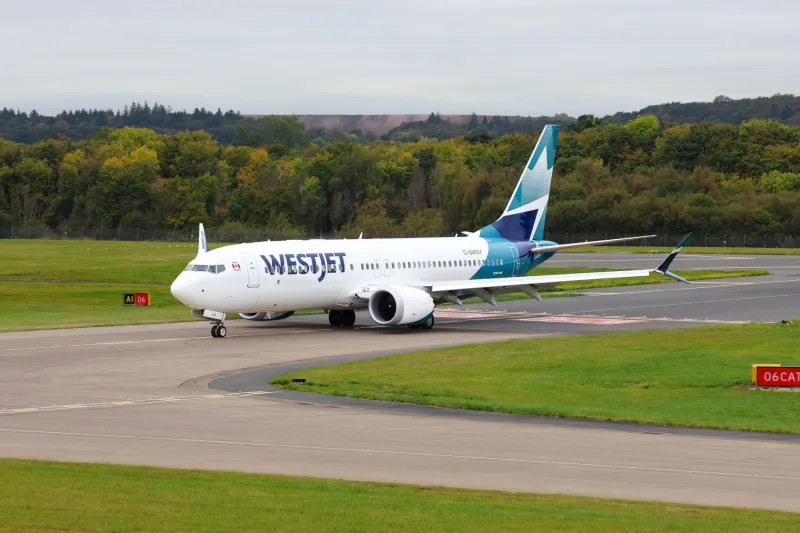
Gatwick's Northern Runway scheme is the biggest aviation flashpoint in the region. If it goes ahead, it means more flights, more noise and more carbon over Sussex, Surrey and Kent. The airport framing is all about jobs and growth; the climate framing is about whether we keep expanding a sector that is already blowing the carbon budget. Communities Against Gatwick Noise and Emissions (CAGNE) have been at this for years, alongside local parish councils and XR groups in Crawley, Horley and beyond. You can back consultations, turn up to council scrutiny meetings, or help with noise and air-quality monitoring. You do not need to be an aviation expert to say no to more planes.
2. Surrey's oil wells
Surrey is not the first place people picture when they think fossil fuels, which is exactly why the oil industry likes it. Horse Hill and the wider Weald have been sites of planning battles, legal challenges and direct action for years. The fight is about more than a few wells: it is about whether councils rubber-stamp new extraction while claiming to be climate leaders. Weald Action Group, XR Surrey and local residents have kept the pressure on. In 2026, expect more planning wrangles and more opportunities to support site monitors, legal observers and council campaigns. If you live nearby, offer lifts, food or admin. If you do not, signal-boost and show up when a call-out lands.
3. Sewage on the beaches
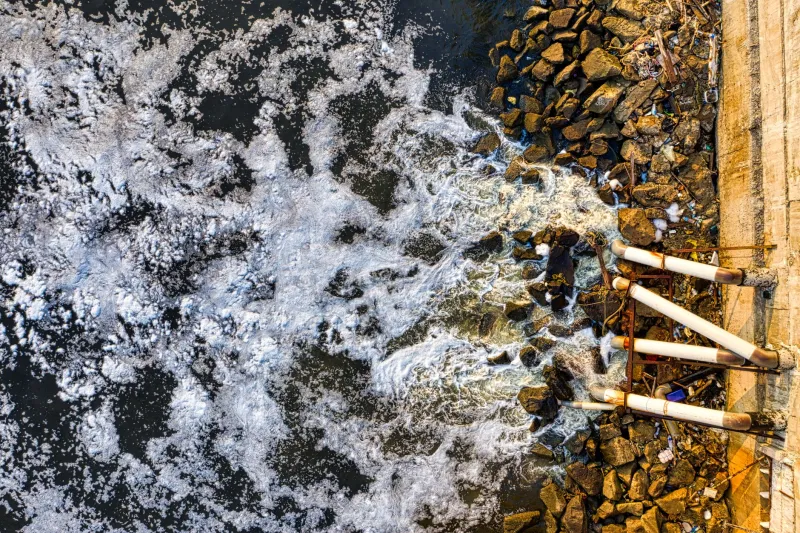
Storm overflows are the most visible symptom of a water system in crisis. Southern Water and Thames Water have been dumping sewage into chalk streams, rivers and coastal waters, and the South East's seaside towns are bearing the brunt. Kent's coastline, Sussex's rivers and Hampshire's Test and Itchen are all part of this story. Surfers Against Sewage, SOS Whitstable and local river groups have been documenting discharges and pushing for real investment. You can use water company maps, report what you see and join local swim or river groups. Sewage is not just a nasty surprise for paddlers; it is a public health and biodiversity scandal.
4. Water shortages and reservoir plans
Hosepipe bans are not just an inconvenience; they are a signal that the region's water supply is under strain. South East Water's proposed Broad Oak reservoir near Canterbury and Portsmouth Water's Havant Thicket reservoir are both part of the debate about new supply. Reservoirs may have a role, but they are not a silver bullet if leaks keep pouring and new housing is waved through without water neutrality. Local campaign groups, river trusts and CPRE branches are already asking hard questions about demand, abstraction and wildlife. Respond to water resource management plans, support catchment groups and make water a council election issue.
5. The Lower Thames Crossing
Kent is once again a battleground over road-building. The Lower Thames Crossing would add huge new road capacity and lock in more traffic, more carbon and more air pollution. Transport Action Network, local anti-road groups and XR Kent have been challenging the case for the scheme. In 2026, keep an eye on development consent decisions, local council scrutiny and any new consultations. You can write to councils and MPs, support local stalls and help with research. Road schemes are not just transport policy; they are climate policy with tarmac on top.
6. The A27 Arundel Bypass
Sussex has its own road flashpoint in the A27 Arundel Bypass. National Highways has pushed the scheme as a congestion fix, but campaigners argue it would wreck the Arun valley, boost traffic and undermine climate commitments. Arundel bypass opponents and the South Coast Alliance for Transport and Environment have been making the case for smarter alternatives. Join local consultations, write to your councillors and support the groups already doing the heavy lifting. If you live near Arundel, offer to leaflet, host a meeting or bring cake to a stall. Small acts keep campaigns alive.
Pick one, not all
Here is the rebel's guide to not burning out: choose the flashpoint closest to you, or the one that matches your skills. If you are good at research, help with planning objections. If you have a car, offer lifts. If you have a kitchen, make soup. If you have a phone, make calls. The South East is small enough that these fights bleed into each other — Gatwick's carbon, Surrey's oil, Sussex's roads and Hampshire's water are all part of the same system. You do not have to be at every action. Rebellion is a relay, not a sprint. Pick a baton and carry it for a bit.