Smoke and Mirrors: The South East's Incinerator Boom Won't Be Burnt Away Quietly
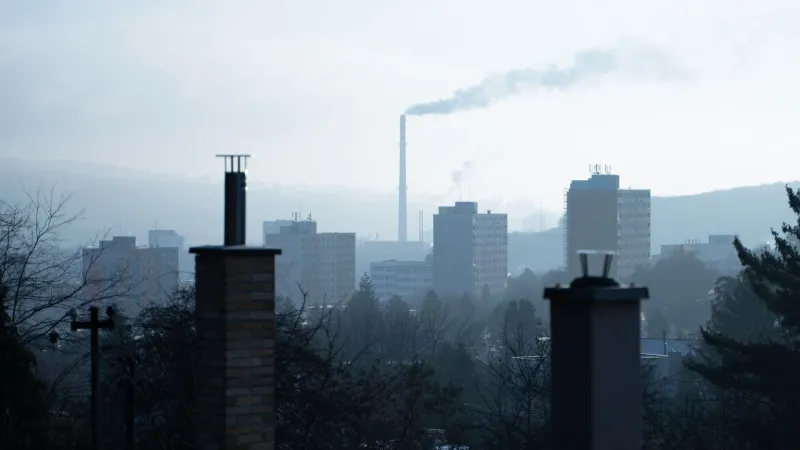
There is a particular kind of planning notice that should make any South East resident stop and read the small print. It is the one that promises 'energy recovery' from waste, usually with a chimney, a lorry queue and a very confident consultant. Across the region, from Hampshire to Kent and out to the Isle of Wight, incinerator capacity is being expanded, extended and rebranded. The pitch is familiar: keep rubbish out of landfill, generate electricity, call it green. The problem is that burning waste is not a recycling strategy. It is a disposal strategy with a power cable attached.
The 'energy recovery' trick
Under the waste hierarchy, incineration sits below prevention, reuse and recycling. It is above landfill, which is why it gets treated as a step forward. But a plant needs a steady supply of rubbish to keep running, and many are backed by long contracts with minimum tonnage guarantees. That is the bit councils do not put on the glossy leaflet. If a council has promised to deliver rubbish to a burner for the next 25 years, reducing waste suddenly becomes a financial problem rather than an environmental win.
Carbon accounting does a lot of heavy lifting here. The biogenic part of waste — food, paper, wood — is often counted as carbon neutral because the plants that grew it absorbed carbon. The fossil plastics in the same bin bag are not. Yet the whole facility can be labelled 'low carbon' or 'renewable' in the right spreadsheet. Add low electrical efficiency and you have a machine that turns a material we should be reusing into a small amount of electricity and a large amount of hot air. A plant that needs waste to pay its debts is not a circular economy.
What is actually being proposed
The South East is not one incinerator story. It is a patchwork of proposals, expansions and contract renewals. Some are new builds. Some are existing plants asking for permit variations or bigger throughput. Some are council waste contracts quietly rolling over for another decade. Planning applications often sit with county or unitary waste planning authorities, while pollution permits sit with the Environment Agency. That split matters, because a campaign that only turns up to the planning committee can miss the permit fight entirely — and the permit is where emissions limits, monitoring and operating conditions are set.
Local campaigns have learned this the hard way. Residents near proposed plants are asking about lorry movements, air quality, noise, biodiversity and the climate impact of burning fossil-derived waste. They are also asking who gets the electricity and who gets the pollution. Incinerators are not evenly distributed. They cluster near industrial estates, ports and poorer neighbourhoods, and the waste often travels from wealthier areas to be burned somewhere else. That is a climate justice issue, not just a local nuisance.
Follow the contract, not the brochure
Council waste contracts are where the real power sits. Many were signed decades ago under private finance initiative deals, with guaranteed waste volumes and penalties for councils that send less. If you want to understand why your council is still talking about 'baseload waste' instead of reduction targets, start with the contract. Ask for the contract summary, the tonnage guarantees, the expiry date and the break clauses through a freedom of information request. Ask councillors on scrutiny committees what happens if recycling rates rise and the promised rubbish does not arrive. Ask whether the council has modelled a zero-waste future against the incinerator option.
Contract expiry is leverage. So is procurement. So is every council meeting where officers present a waste strategy as if it were a weather forecast. Residents can attend, ask questions and submit written evidence. It is not glamorous, but it is where the money is committed. The incinerator next door is not just a planning application. It is a contract, a permit and a set of assumptions about how much stuff we will throw away for the next generation.
How to track an incinerator near you
Start with your council's planning portal. Search for 'waste', 'energy recovery', 'incineration', 'thermal treatment' and the name of any local industrial site. Set alerts if the portal allows it. Then check the Environment Agency's public register for permit applications and variations. Look at the Planning Inspectorate if an appeal is live. Read the non-technical summary of the environmental statement, then go back to the sections on traffic, air quality, ecology and carbon. You do not need to be a lawyer to spot a weak assumption.
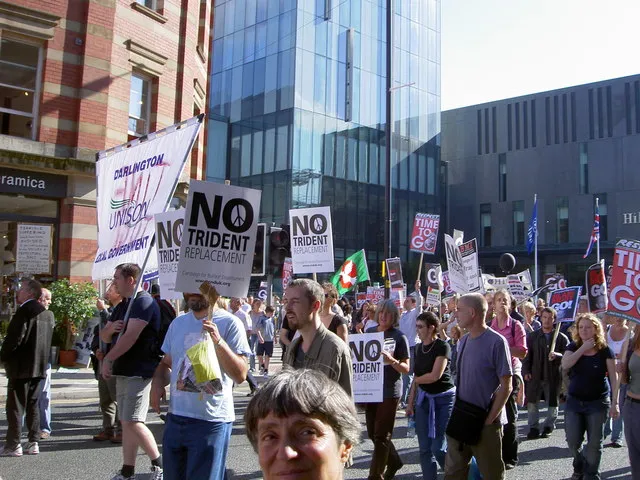
Talk to the local campaign group, even if you are not ready to join a march. They will know which councillors are wavering, which consultants are writing the reports and when the next deadline falls. Bring what you are good at: research, FOI requests, social media, catering, listening, translating technical documents into plain English. Campaigns are not built by superheroes. They are built by people who read the appendices.
Challenge the permit as well as the plan
Planning permission is only half the fight. An environmental permit sets the rules for how the plant operates: emission limits, monitoring requirements, waste types and hours of operation. When the Environment Agency consults, respond. Ask about continuous monitoring, not just annual spot checks. Ask how dioxins, nitrogen oxides and particulates will be measured and published. Ask what happens when the plant is offline and waste backs up. Ask whether the site is in an area already breaching air quality limits.
Permit variations can slip through with far less attention than a planning application. If an existing plant wants to burn more waste, take more deliveries or extend its operating hours, that is a new fight wearing an old hat. The same goes for council contracts that quietly increase tonnage. Climate justice means looking at the cumulative impact, not just the single application in front of you.
Connect waste to climate justice
Burning waste is a false solution to a real problem. The real solutions are less waste, better reuse and repair, separate food waste collections, deposit return schemes, extended producer responsibility and local repair hubs. Those solutions need investment and political will, not a 30-year contract with a chimney. They also need a just transition for workers in the waste and energy sectors, because we are not going to build a better system by abandoning the people who keep the current one running.
So find your waste planning authority. Join or start a local campaign. Ask council candidates where they stand. Support legal challenges if you can. Bring the issue to your XR South East local group. The incinerator next door is not just a local planning row. It is a climate decision made in a committee room, and it is being made in your name. Read the papers. Turn up. Ask who benefits.