The Paper Emergency: What Seven Years of South East Council Climate Declarations Actually Changed
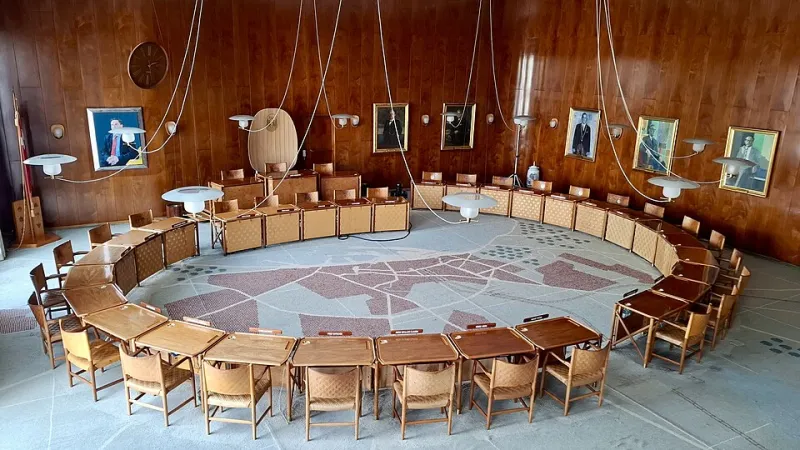
Photo: Ciara Ní Riain, CC BY-SA 4.0, via Wikimedia Commons
Cast your mind back to 2019. School strikers were on the streets, rebels were blocking bridges, and councils across the South East were falling over themselves to declare a climate emergency. Seven years later, in 2026, those declarations are still on the websites. The question is whether they changed anything beyond the header on a PDF.
We have spent the last few weeks doing the boring bit: reading climate action plans, budget papers, scrutiny minutes and decision records from councils across Kent, Surrey, Sussex, Hampshire, the Isle of Wight, Oxfordshire, Berkshire and the Solent. The picture is not a simple pass or fail. It is a patchwork of genuine delivery, quiet dilution and some truly impressive shelfwear.
This is not about dunking on underpaid council officers. It is about elected members and corporate leaders who set the budget. A climate emergency declaration is a political promise. Seven years is long enough to check whether it was kept.
A declaration is not a plan. A plan is not a budget.
The first thing to understand is that a declaration is a motion, not a magic wand. It usually commits a council to produce a plan, set a target and report progress. The target is often 2030. The plan often arrives. The budget often does not.
That is the gap rebels need to live in. A council can have a 2030 carbon-neutral target and still sign off a new warehouse park, a bypass or an incinerator. It can publish a glossy action plan and quietly cut the retrofit budget in the same papers. It can declare an emergency and then treat climate as a 'cross-cutting theme' with no named officer and no cash.
So when we say audit, we do not mean reading the press release. We mean following the money and the decisions.
The four tells of a paper emergency
After seven years, the patterns are predictable. Here are the four tells we kept finding.
One: the action plan is a list of things already happening. If every item under 'climate action' is a recycling campaign, a tree-planting photo op or a cycle lane that was already in the capital programme, the declaration has not changed the council's direction. It has changed its branding.
Two: the target is 2030 but the budget is annual and tiny. A real climate emergency needs a carbon budget, not just a carbon target. Ask how many tonnes of carbon the council has left to spend, and which decisions are constrained by that number. If the answer is 'we do not hold it in that format', you have found your story.
Three: the carbon accounting stops at the council's own buildings. Most councils report scope 1 and 2 emissions: their buildings, their fleet, their energy. That is important, but it is not the whole emergency. Procurement, pensions, planning decisions and transport schemes are where the big numbers live. If the action plan ignores them, it is measuring the easy bit.
Four: offsetting and 'green growth' are doing too much work. Offsetting can be part of a plan. It cannot be the plan. The same goes for 'green growth' as a get-out clause. If a council is counting on future technology, future national policy or future trees to hit a 2030 target, it is not planning. It is hoping.
How to audit your own council in an afternoon
You do not need to be an accountant. You need a laptop, a Tuesday evening and a mild tolerance for committee papers. Here is the practical checklist.
- Find the original motion. Search your council's website for 'climate emergency motion 2019'. Read what was actually agreed, not what the press release said. Note the target date and any commitments on reporting.
- Find the action plan and the latest progress report. Look for an annual update to scrutiny committee or full council. If the last update is more than 18 months old, that is a finding.
- Find the budget line. Search the budget papers for 'climate', 'carbon' and 'retrofit'. Check whether there is a named reserve, a capital programme or just a paragraph in the foreword. A target without a budget is a wish.
- Check the decision records. Search planning committee minutes for warehouses, incinerators, airport expansion, road schemes and new fossil infrastructure. Ask whether the climate implications were assessed, and whether councillors voted them through anyway.
- Check the pension committee. Council pension funds are often the biggest carbon asset a council controls. Look at the latest investment report and ask what the fund is doing on divestment and climate risk.
- Ask for the carbon budget. Email your council's climate lead and ask: how many tonnes of carbon dioxide does the council have left to emit to stay within its 2030 target, and how does that constrain this year's budget? If they cannot answer, ask why.
- Compare the numbers. Emissions reports should be annual, comparable and cover scope 3 where possible. If the baseline year keeps changing, or the report stops at council buildings, say so.
This is not a gotcha exercise. It is basic accountability. Council papers are public. You are allowed to read them, quote them and ask questions about them.
What good actually looks like
There is real work happening in the South East. Brighton & Hove has a carbon neutrality programme with public reporting. Oxford has used a citizens assembly to shape its climate work. Reading has a climate emergency strategy with annual updates. Parts of Kent and Surrey have pushed retrofit, EV charging and nature recovery. None of it is perfect. All of it is more useful than another declaration.
A real climate emergency looks boring. It looks like retrofit contracts, bus service subsidies, planning refusals, pension divestment and a carbon budget that actually says no to something. It looks like officers being told to prioritise climate in procurement, not just mention it in the foreword.
Take it to the chamber
Once you have your audit, use it. Go to public question time at full council. Ask your ward councillor which budget line pays for the climate action plan. Ask the scrutiny chair when the next progress report is due. Ask the pension committee how its investments align with the council's 2030 target.
Then share what you find. Send it to your local XR group, your neighbours and the local press. A council that is serious about the climate emergency will not mind being asked. A council that is not will start squirming.
Seven years after the declarations, the paper emergency is easy to spot. The real one is still being written. Your council's next budget is a good place to start.