Hot Desks, Cold Comfort: The South East’s Overheating Schools Need More Than a Fan
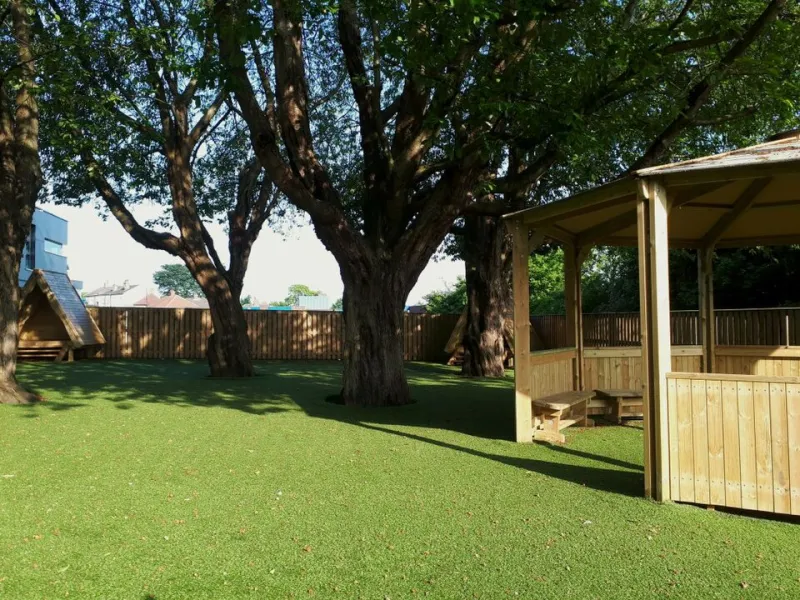
Photo: Stephen Craven , CC BY-SA 2.0, via Wikimedia Commons
There is a particular smell to a classroom in a heatwave: warm plastic chairs, sun-baked carpet, the faint whiff of a bin that has been sitting in 31C since break. Teachers prop doors open with chairs. Kids wilt over worksheets. Someone’s asthma inhaler gets passed along the row. By 2pm, learning has basically left the building.
This is not a minor inconvenience. It is climate policy happening at the school gate, and in much of the South East it is happening badly. Victorian buildings with single-glazed windows, temporary classrooms that double as greenhouses, playgrounds with no shade and drainage systems that panic at the first heavy rain — these are the physical facts of the climate crisis in our communities. The question for 2026 is simple: who is keeping track, who is paying to fix it, and why are so many councils keeping quiet?
The canary in the classroom
Schools are where climate impacts collide. Heat affects concentration, sleep and exam performance. Poor air quality and damp make asthma and other conditions worse. Flooding closes roads, ruins grounds and sometimes shuts buildings altogether. Staff are working in conditions that would trigger a health and safety conversation in any other workplace.
And this is not evenly spread. Schools in older buildings, schools in rented or temporary accommodation, schools in areas with less political clout — they carry more of the risk. That makes classroom overheating a climate justice issue, not just a facilities issue. If your child’s school has a shady orchard and air conditioning in the hall, good luck to them. If it has a tarmac yard and windows that don’t open, the summer is a different story.
In the South East, we have plenty of both. Kent, Surrey, East and West Sussex, Hampshire, Oxfordshire and Buckinghamshire all contain schools that were never designed for 35C summers. The climate has changed. The buildings have not.
The transparency gap
Here is where it gets political. Councils hold a lot of this information — or they should. They know which schools have submitted overheating complaints. They know which sites sit in flood zones. They know which retrofit bids have been made and which have been quietly parked. But school-level climate-risk data is patchy, buried or simply absent from public view.
Try a five-minute test on your own council’s website. Search for ‘school climate risk’, ‘overheating’, ‘adaptation’ and ‘flood risk assessment’. See what comes back. In too many South East authorities, the trail goes cold at a borough-wide strategy document that mentions ‘resilience’ and then never names a single school. Some councils publish a climate emergency action plan. Almost none publish a clear, school-by-school picture of heat and flood risk. That is a choice, not an accident.
XR South East is building a council-by-council tracker so we can map the gaps. We want to know which local authorities can answer basic questions: How many school buildings have overheating incidents logged? How many have applied for retrofit funding? How many sit in areas at risk of surface-water flooding? Which schools have a heatwave plan that goes beyond ‘open a window’? If your council cannot answer, that is your first campaign finding.
Retrofit is a political choice
Every council will tell you the same thing: school buildings are not entirely their fault. Funding comes from central government. The school rebuilding programme is oversubscribed. RAAC, asbestos and general decay eat the capital budget. All true. But ‘not entirely our fault’ is not a climate plan.
Councils still make choices. They choose what to put in capital bids. They choose whether to include climate adaptation in school improvement plans. They choose whether to prioritise shade, drainage and ventilation or another car park. They choose whether to tell parents the truth about the condition of the buildings their kids spend thirty hours a week in.
Delayed retrofit is not a neutral act. It means another summer of fans that just move hot air around. Another winter of damp. Another year of schools being patched up rather than future-proofed. The government’s funding pot matters, but local political pressure decides who gets in the queue and how loudly the problem is named.
Turn the school run into a campaign
The good news: you do not need to be a building surveyor or a climate scientist to start. You need a phone, a thermometer and a bit of stubbornness.
1. Log what is happening. Take photos of temperatures, flooded playgrounds, broken shade, closed windows. Note dates. Ask other parents and carers to do the same. A pile of evidence is harder to ignore than a single complaint.
2. Ask the governing body. Schools must have risk assessments and health and safety policies. Ask governors for the school’s climate-risk register, overheating protocol and flood plan. Ask whether retrofit has been discussed at governor level. Ask for it in writing.
3. FOI the council. Send a Freedom of Information request to your local authority asking for school-level overheating and flood-risk data, retrofit applications and capital funding allocations. Keep it narrow and specific. Share the response with XR South East so we can add it to the tracker.
4. Write to the cabinet member. Copy in the director of children’s services and the climate lead. Ask a direct question: what is the council doing to make sure no school building becomes unsafe in a heatwave? Ask them to publish the data.
5. Build a parent and carer survey. Find out how many families have kids with asthma, how many classrooms hit 30C, how many days have been disrupted by flooding or heat. Numbers make the case.
6. Link up with staff unions. NEU and UNISON reps know what working conditions are really like. Heat is a workplace issue as well as a learning issue. Solidarity makes campaigns stronger.
7. Turn up to scrutiny. Council scrutiny meetings often have public question time. Ask why school climate risk is not in the adaptation plan. Ask for a named lead. Ask for a timeline. Bring a friend and a banner if the mood takes you.
8. Demand the basics now. Shade, water, adjusted hours in extreme heat, cooler uniform rules, and a clear communication plan for parents. These are not luxuries. They are the minimum.
What good looks like
A serious council response would publish a school-level climate-risk map. It would fund cooling, ventilation, shade and drainage as part of retrofit, not as an afterthought. It would stop signing off new school sites in flood-risk areas. It would work with parents, staff and unions on heatwave protocols. And it would be honest when the money is not there — while campaigning for it rather than hiding the problem.
November is budget season. Councils are making decisions now about what gets fixed next summer. The next heatwave is not a surprise. It is a diary entry. If we wait until the classrooms are baking again, we will get the same press release about ‘temporary measures’ and the same silence about the buildings that need real investment.
The school gate is a climate frontline. It is also a place where ordinary people have real leverage. Ask awkward questions. Request the data. Log the temperatures. Make the council say the quiet part out loud. And if they won’t, we’ll map it for them.